Prestige College Of Integrative and Natural Medicine Is a pace setter Natural medicine college established to promote training, research and development in the field of complementary and alternative medicine in Nigeria .
Prestige College Of Integrative and Natural Medicine Is a pace setter Natural medicine college established to promote training, research and development in the field of complementary and alternative medicine in Nigeria .

This course provides an introduction to the basic changes in the morphology of the cells, tissues and organs in diseased states. Students gain the ability to differentiate abnormal from normal, and to correlate the clinical aspects of the alterations. Included also is discussions on general characteristics, classification and differential diagnosis of cysts, benign and malignant tumors and other neoolastic entities. Other topics include pathologies peculiar to and characteristics of the various system of the body. The systems examined are the nervous system, myopathy, neuropathy, bone and joint pathology, immunopathology, hematopaihology and dermatopathology. Additionally: respiratory, cardiovascular, reproductive, mammary, gastrointestinal (inclusive of liver, gall bladder and pancreas), urinary and endocrine pathologic conditions. Each condition is studied from the standpoint of general characteristics, gross and microscope appearance, and clinical course/prognosis,
i. The Pathological basis for the common problems seen in Medicine.
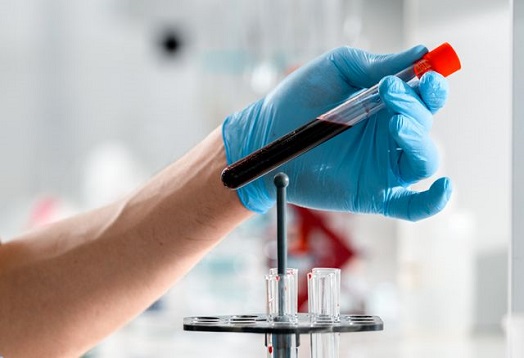
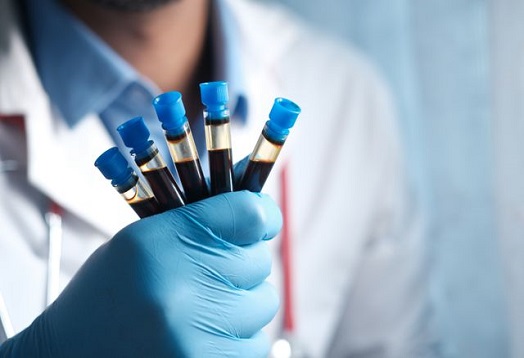
ii. Carrying out of common, simple and basic tests.
iii. Interpretation of tests of body functions: normal values of test of body functions;
iv. Blood grouping and cross-matching.
In this course students will acquire knowledge and understanding of immune system function: The Immune system; Development, Morphology and function of Lymphocytes; The CD classification of human lymphocyte differentiation antigens; The structure and function immunoglobulins; The complement system; The cytokines; Serology, Vaccines and immunization; Screening tests for HIV and other autoimmune diseases; Principles of immunological techniques.
This course provides an introduction of microorganisms and their interactions with humans, infections affecting the nervous system upper respiratory system, blood and lymphatic system, skeletal system and Integumentary system. Additionally, infections affecting the respiratory. gastrointestinal, reproductive, and urinary system. The discussion would include microbiologic characteristics, epidemiology, clinical aspects, treatment and prevention of various pathogens. Where appropriate, public health aspects of these infections would be elaborated upon. It also discusses introductory concepts in public health as applied to communicable and non communicable diseases. The appropriate clinical correlates with case studies are discussed as well. In addition, basic and clinical immunology including immunologic disorders will be discussed in detail. All the content will be in lecture, group and case-based format.
Description of drug names and classifications: General principles of drug action and metabolism Pharmacokinetics and Pharmacodynamics; Drug action and safety; Drug action and major organ systems; Disorders and diseases of organ systems; Contraindications and untoward effects of drugs; Drug interactions; Drug/Botanical interaction; Nutrient depletion by drugs; Drug action on injection and immune system regulation; Poisons and antidotes; Chemical dependency and drug abuse; Fundamental of herbal science and Pharmacognosy-, Herbal terminology; Principles of pharmacology and treatment; Dosage preparation and standardization; Extraction and purification; Strengthening of organ systems and the herbal management of illness and disease; Materia Medica for 30 most commonly used medicines; Active ingredients; Therapeutic use.
Students are introduced to the historical perspective of the common prin:iples and origins on which natural medicine concepts were founded and developed with emphasis on naturopathic.
The concepts of the science of natural therapies and their effects on tissue physiology. neurological processes, and psychophysiological aspects are introduced. The whole health concept of patient care will be introduced in this course. This course will also introduce concepts of personal and collective duties of professionalism, ethics and self-reflection that must be developed by future physicians
Hydrotherapy was the cornerstone therapy of the “nature cure’ movement and of the pioneers of naturopathic medicine. Its effective use in both acute and chronic conditions belied a deep and comprehensive understanding of diseases and the healing process. This course presents students with theory and skills of hydrotherapy. Practice in the constitutional method of hydrotherapy will be done until students are comfortable and confident enough to use the treatment in clinic. The use of a simple agent such as water and temperature will serve to demonstrate the healing can be supported and encouraged by safe, natural and gentle treatments that are nonetheless powerful
The Medical Therapeutics course will encompass a discussion of first and second level drugs for the common disorders of each organ system and the art of prescribing the medications. The course addresses the development of medical protocols for the patient by the physician using current pharmaceuticals agents for the prevention and treatment of disease. Included in the course are discussions of treatment duration as well as dosages and side effects of common drugs. Differences in individual reactions and idiopathic reactions to drugs are stressed. The administration of the drugs including the effects of enteral and parental administration as well as depot and subcutaneous routes will be discussed. Drug-drug, drug-herb and drug-nutrient as well as drug-food interactions and nutrient depletion by drugs will be addressed, Students will be given the opportunity to develop an appropriate course of treatment for the drugs most often prescribed in the United States. Students will be given case studies and will be expected to develop appropriate protocols and specific medications for patients across the life cycle. Students will be given a description of the scope of license regarding medications of legend and over-the counter drugs.
This course offers a nutritional approach to the prevention and treatment of diseases, with an emphasis on maintenance of health and homeostasis and specific disease conditions and their prevention. Nutritional assessment methods are covered in detail and the methods for obtaining a physical examination of nutritional health and means to assess nutritional status are covered. A description of the approach to nutritional counseling and the nutrition counseling session are described. Topics are covered food frequency questionnaire (FFQ), health history and physical examination forms, and food diary and intake forms. The diseases of the major organ systems in the body are covered with the musculoskeletal, joint health, gastro intestinai. and cardiovascular systems covered in depth. Metabolic diseases such as diabetes and thyroid diseases are also described. Liver detoxification, adrenal stress syndrome and a functional medicine approach to the liver, adrenal thyroid, and gastrointestinal tract are described. Other diseases covered are central nervous system diseases and infectious and dermatological conditions. A discussion of immune up-regulation, granular products, chelation therapy, and glycol-nutrients is held. The use of all nutritional therapies, botanical medicines and other functional medicine approaches to maintenance of health and prevention and treatment of disease are described.
This advanced course will engage the subject of therapeutic herbalism in great detail. The strategies for addressing dysfunction in the organ systems will be outlined, Specific aspects of botanicals will be studied including: constituents, Pharmacognosy, specific indications, contraindications, toxicity, and dosing parameters. In the traditional manner, the herbs will be studied according to therapeutic category (nerves, hepatic, anodynes, ete). Close attention will be paid to the potential for herb-herb interaction. Students will practice compounding and dispensing as part of their clinical rotations, but this course will provide the theoretical information to enable them to do so.
Additional materia medica will be discussed in this course. Sources, indications, contraindications, and pharmacology of medical herbs are described. Herbal medicines from the Eclectic materia medica, including those with narrow therapeutic windows are discussed, including precise dosing regiments as well as traditional combinations of botanicals for various organ systems or conditions.
This course explores the field of functional medicine. Biochemical individuality, interconnections in physiological and biochemical systems of the body, and the maximization of organ reserve are key concepts. The testing and protocols for addressing fundamental issues such as inflammation, detoxification, H pylori, leaky gut (permeability increases), mitochondrial dysfunction, food allergy, environmental allergy, and chemical sensitivity are reviewed. In addition, the course outlines specific protocols for long-term nutritional management of chronic illness. Discussion of the merits of these approaches versus other therapeutics interventions and the applications to prevention are encouraged.
Effective counseling skills are essential to the practice of naturopathic medicine. In this course, students will review the techniques of counseling and engage in the practice of those techniques. Self awareness, listening, understanding, and exploring sensitive topics are discussed and practiced with peers.
Students learn techniques of stress management and apply them to their own life. Current naturopathic practice includes the role of a primary care physician. In naturopathic medicine, primary care is based on the naturopathic principles and guided through the use of the therapeutic order. This class selves as the introduction to naturopathic medicine in practice, with the focus on acute conditions. Students will be learn how to manage common acute conditions safely, how to determine cases for referral, and how to treat these conditions using naturopathic therapies
Taking the perspective that the whole person and the determinants of health need to be considered in the treatment of female health issues, students will review approaches to common issues such as: dysmenorrheal, endometriosis, infertility, breast cancer, ovarian cancer, uterine cancer, amenorrhea, infertility, and menopause. A rational approach to these issues that includes counseling about common medical options, preventions, and naturopathic therapeutics.
Naturopathic physicians are responsible for providing consistent and thorough outpatient care to people of all ages. This course focuses on the practice strategies and issues encountered in treating pediatric, geriatric, and obstetric patients. A review of screening and health maintenance strategies for the adult patent is included.
Family practice obligations, such as vaccination, school physicals, and insurance reports are reviewed. Additional treatment information in the areas of dermatology, neurology, hematology, and ENT are included.
This course forms the basis of the clinical theory stream of courses in the ND program, which serves as a framework for practice. The course begins with an overview and the vision and ultimate goals of the ND program. The naturopathic principles are discussed at length. Major concepts such as health, holism, and vitalism are analyzed by the class. Ecology and environmental health as a basis for individual health, and the broader im lications of the Gaia theory are explored. Spirituality and its importance to life and healing, and the need for the physician to be whole themselves, from the concluding portion of the course. Additionally, this course examines the historical and cultural roots of naturopathic medicine. The history of western medicine and the roots of naturopathic medicine in the context of 19 century nature cure are examined. The role and experience of women in medicine is discussed, A portion of the course will explore the evolution and relevance of naturopathic medicine of various world medical systems (East Asian, South Asian, African etc.) As a prelude to future clinical theory courses, and the development of therapeutic skills, the course will conclude with some discussion of clinical theory, such as the therapeutic order.

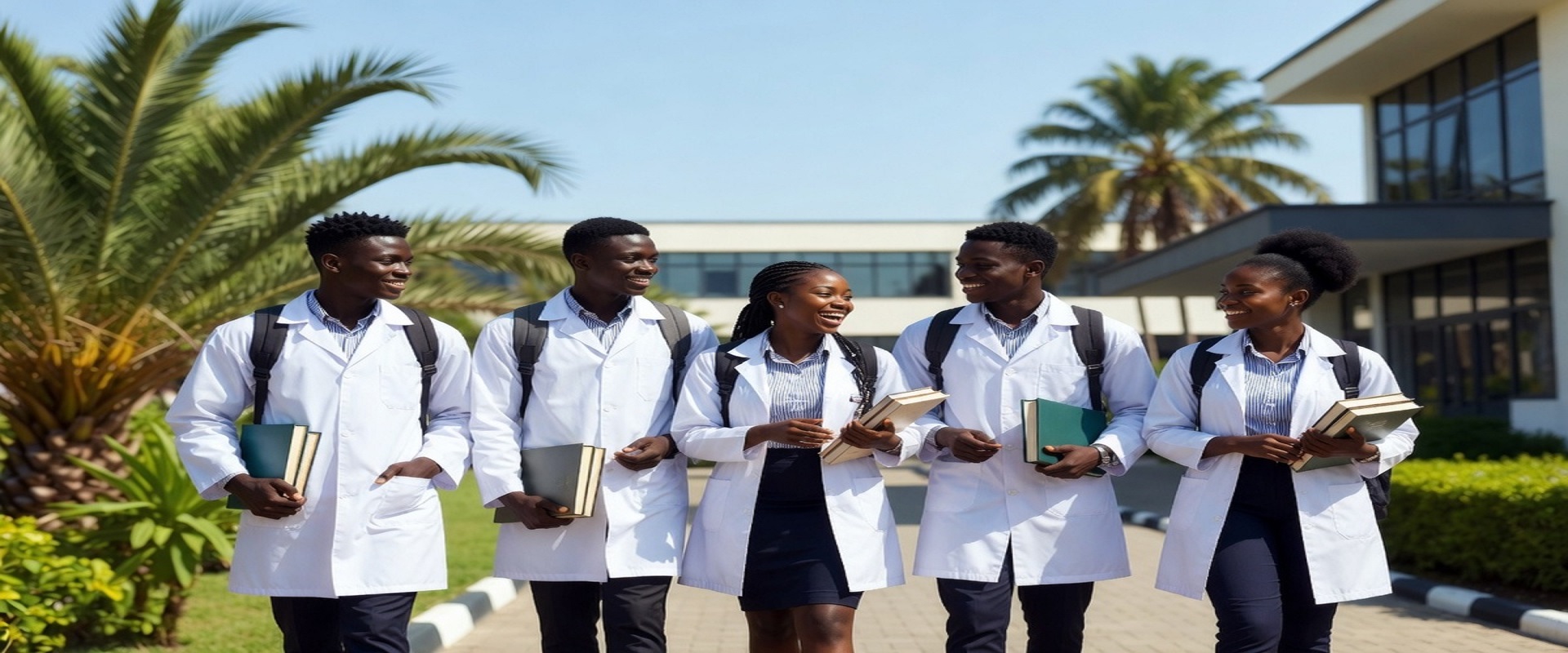
Welcome to the gateway of possibilities your admission to Prestige College of Integrative & Natural Medicine.